Chamomile Tea: Origins, Benefits and How to Brew
What is chamomile tea?
Chamomile tea is a naturally caffeine-free herbal infusion made from the dried flowers of the chamomile plant. Valued for its gentle floral aroma and calming character, it has been enjoyed for centuries as a restorative drink, often taken in the evening to unwind and prepare for rest.
Delicate in flavour yet rich in tradition, chamomile remains one of the most enduring herbal infusions in the world. At Idyll, our organic chamomile tea is crafted from whole flowers to preserve its soft sweetness and fragrant clarity.
Two varieties are traditionally used:
-
German chamomile (Matricaria recutita), the most common variety for tea, known for its sweetness and aromatic depth
-
Roman chamomile (Chamaemelum nobile), less frequently used for drinking and more often found in aromatherapy and cosmetics
Most premium chamomile teas are made from whole German chamomile flowers.
Origins and traditional history
Chamomile has been valued since antiquity. In ancient Egypt it was used in both medicinal preparations and ceremonial rituals, while Greek and Roman herbalists recorded its calming and digestive properties. Across Europe, it became a staple evening infusion, taken to ease the body after long days of labour.
Over time, chamomile came to symbolise rest, gentleness, and renewal — qualities that remain closely associated with the tea today.
The chamomile plant and its flowers
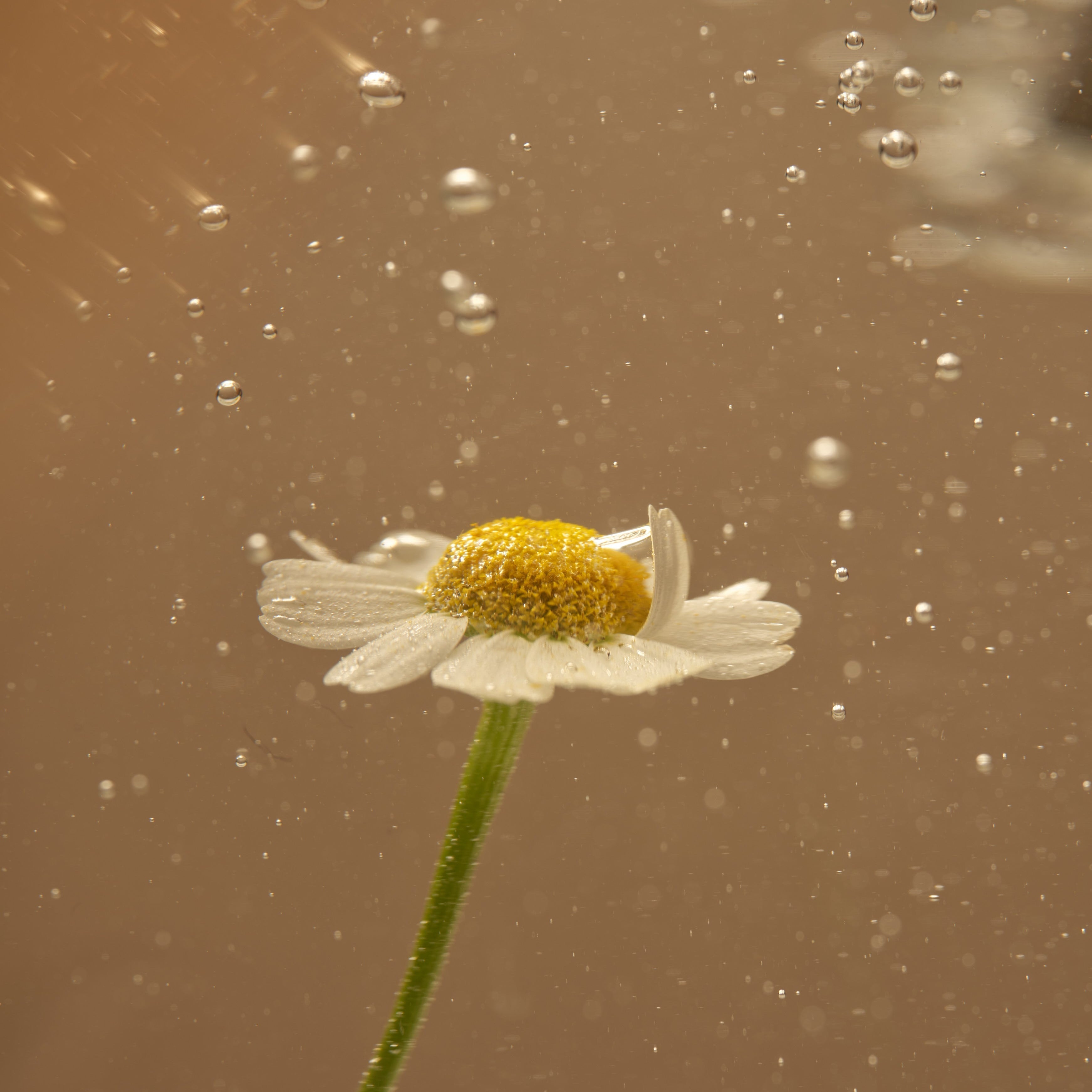
Chamomile belongs to the daisy family (Asteraceae). The small white flowers with golden centres are the part used for tea, harvested when fully open and fragrant.
German chamomile grows as an annual plant, while Roman chamomile forms a low-growing perennial ground cover. In both cases, careful harvesting at peak bloom ensures the highest concentration of aromatic oils and flavour compounds.
Where chamomile is grown
Chamomile thrives in temperate climates with long hours of sunlight and well-drained soils. It is cultivated across several regions known for herbal production, including Egypt, Eastern and Central Europe, Argentina, and parts of France and Germany.
Cool nights and warm days encourage slow, even flowering, producing blossoms with a naturally sweeter aroma and more refined cup profile.
Harvesting and processing
The quality of chamomile tea depends largely on how the flowers are handled after harvest. Flower heads are picked when fully open, then dried gently at low temperatures to preserve their volatile oils and natural sweetness.
Whole flowers, such as those used in our chamomile herbal infusion, are preferred in premium teas, as they retain more aroma and deliver a clearer, more expressive cup than broken grades.
Flavour and aroma
Chamomile is celebrated for its soft and comforting character. The infusion carries a light floral fragrance with subtle notes reminiscent of apple blossom and wild honey. On the palate, it is smooth and naturally mellow, leaving a clean, gently sweet finish.
This restrained flavour profile makes chamomile especially suited to quiet moments and evening rituals.
Benefits and traditional uses
Chamomile has long been used in herbal traditions for its calming and soothing qualities. It is most commonly associated with relaxation, sleep, and digestive comfort.
Traditionally attributed benefits include:
-
Supporting relaxation and restful sleep
-
Promoting gentle digestive comfort
-
Providing mild antioxidant and anti-inflammatory compounds
Today, chamomile is most often enjoyed as an evening tea to settle the body and mind.
Is chamomile tea caffeine free?
Yes. Chamomile tea is naturally caffeine free and is therefore well suited to evening drinking or moments when stimulation is not desired.
How to brew chamomile tea
Brewing chamomile gently helps preserve its aroma and sweetness.
Method
-
Use 2 grams (a heaped teaspoon) of dried whole flowers per cup
-
Heat fresh water to 95°C
-
Pour over the flowers and cover
-
Steep for 3–5 minutes
-
Strain and serve
Covering the cup during steeping helps retain the delicate essential oils that give chamomile its fragrance.
Other uses of chamomile
Beyond tea, chamomile has long been used in skincare, cosmetics, and aromatherapy for its soothing properties. It also appears in herbal compresses and topical infusions, valued for its gentle effect on the skin.
Few plants are as versatile — or as universally comforting — as chamomile.
A gentle ritual
Chamomile tea is less about stimulation and more about pause. Soft in flavour, calming in character, and timeless in appeal, it offers a simple ritual of rest at the close of the day.
For those seeking a caffeine-free infusion with quiet elegance, chamomile remains a classic.