English Breakfast Tea: Origins, Benefits and How to Brew
What is English Breakfast tea?
English Breakfast tea is a classic black tea blend known for its robust flavour, warm maltiness and enduring morning appeal. Full-bodied yet balanced, it has become a staple start-of-day routine for tea drinkers around the world, appreciated for its strength, complexity and versatility.
One reason it remains so beloved is its capacity to be brewed straight or with milk while still delivering depth and structure. At Idyll, we offer both an Organic English Breakfast for those seeking organically grown Assam leaves, and a Premium English Breakfast tea, a carefully balanced blend of Assam and Rwandan Rukeri that produces a thick, malty liquor with a bright, expressive cup.
Origins and traditional history
Despite its name, English Breakfast tea was not grown in England. The style developed in 19th-century Britain, where tea merchants blended robust black teas sourced from across the British Empire to suit local breakfast customs. Teas from regions such as Assam, Ceylon and East Africa were combined to create a richer, fuller-bodied cup designed to be enjoyed with milk and food.
Over time, English Breakfast became synonymous with British tea culture and spread globally as a dependable, full-flavoured black tea that suited morning routines and everyday drinking alike.
The tea plants and leaves used
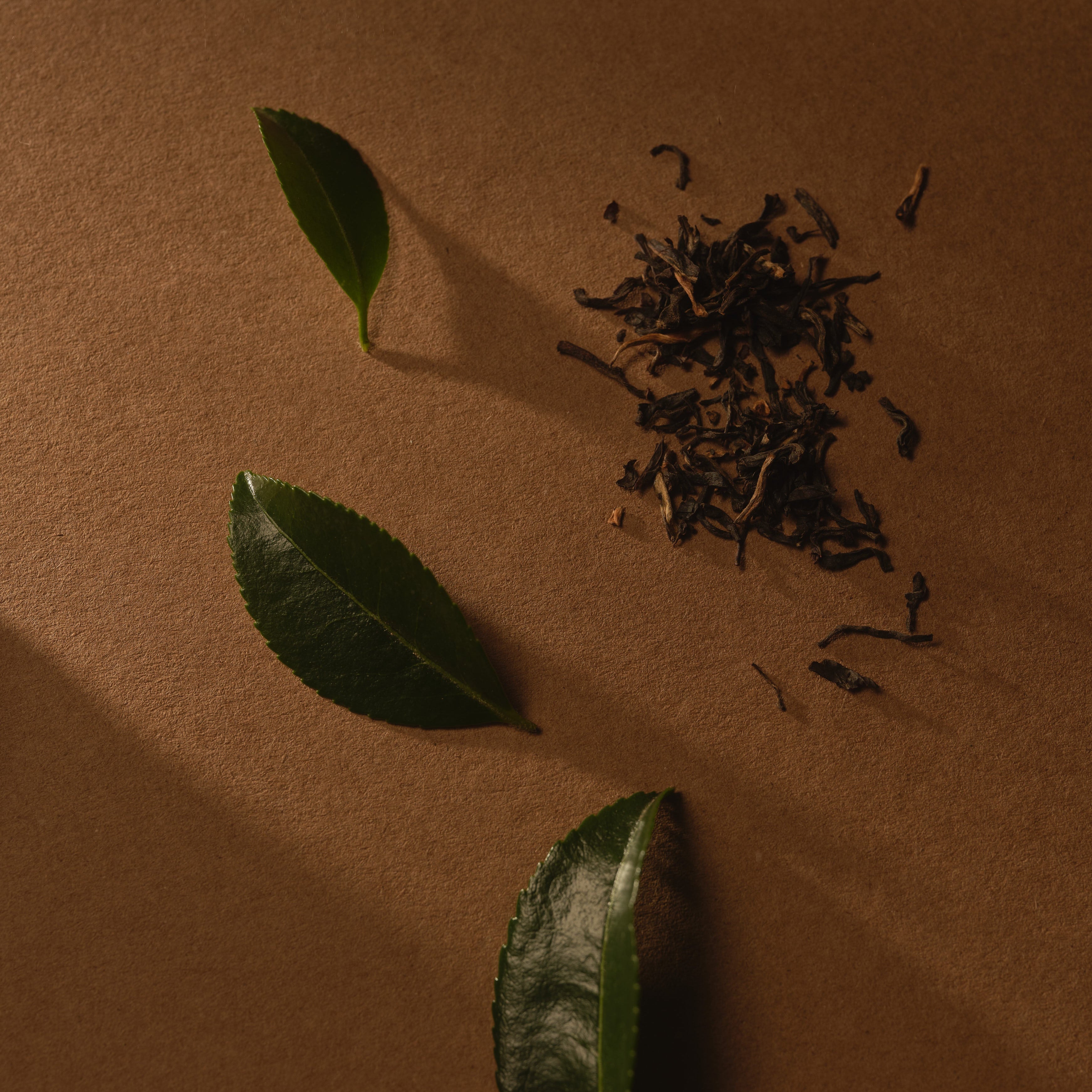
English Breakfast is made from the leaves of the Camellia sinensis plant. The characteristic strength and malty body come from blending teas from multiple high-quality growing regions. In Idyll’s Premium English Breakfast, second-flush Assam GFBOP from Dikom estate is blended with leaves from Rukeri in East Africa. This combination produces a cup with depth, brightness and a satisfying structure that holds milk gracefully.
Where English Breakfast tea is grown
The teas that form English Breakfast blends are primarily grown in regions ideal for robust black teas. Key origins include Assam in India, and the fertile plantations of East Africa. Warm daytime temperatures and cool nights encourage the development of rich flavour compounds in the tea leaves, contributing to the blend’s full-bodied character.
Harvesting and processing
After picking, black tea leaves destined for English Breakfast undergo full oxidation, a process that transforms them from green to deep brown and unlocks their bold flavour profile. Once oxidised, the leaves are dried to preserve their aromatic complexity.
Well-crafted blends favour larger whole or broken leaves rather than fine dust, resulting in a clean, expressive cup with balanced malt, brightness and depth — characteristic of our English Breakfast tea.
Flavour and aroma
English Breakfast is known for its strong, full-bodied flavour and smooth finish. It has a malty depth without bitterness, making it easy to drink black or with milk. When brewed correctly, it produces a rich cup that holds its flavour even as it cools.
Benefits and traditional uses
Black tea has long been appreciated not just for flavour but for its composition. English Breakfast, like other black teas, is rich in antioxidants that support cellular health and contribute to cardiovascular wellbeing. The balance of caffeine and the amino acid L-theanine helps promote calm, sustained alertness — a steady energy that supports focus throughout the morning without sharp spikes.
How much caffeine is in English Breakfast tea?
English Breakfast tea naturally contains caffeine, and the amount varies with leaf grade and brewing. A typical cup of English Breakfast contains around 40–70mg of caffeine, which is slightly less than a standard single espresso-based coffee (around 60–80mg per shot).
How to brew English Breakfast tea
To bring out the full flavour and balance of a classic English Breakfast, follow these brewing instructions.
Method
-
Use 2g (a heaped teaspoon) of tea or a pyramid bag per 250mL of water
-
Heat filtered water to 95°C
-
Pour over the tea and infuse for 2–4 minutes
-
Strain and serve
This method delivers a bright, malty cup with balanced strength that holds up well to milk or sugar, while also standing beautifully on its own.