Sencha: Origins, Benefits and How to Brew
What is Japanese Sencha tea?
Japanese Sencha tea is a traditional green tea made from the leaves of the tea plant (Camellia sinensis). It is the most widely consumed tea in Japan, valued for its clarity, freshness, and suitability for everyday drinking.
Light yet expressive, Sencha offers a clean, balanced cup with natural brightness and gentle depth. At Idyll, our organic Japanese Sencha is sourced to reflect this character — fresh and lively without sharpness, and smooth enough to enjoy throughout the day.
Origins and traditional history
Sencha emerged in Japan during the Edo period, as tea drinking shifted from powdered matcha to loose-leaf infusions. This change made green tea more accessible and helped establish Sencha as a daily household tea rather than a ceremonial one.
Over time, Sencha came to embody the principles of Japanese tea culture: seasonality, simplicity, and respect for natural flavour. Today, it remains the tea most commonly enjoyed at home, at work, and in casual social settings across Japan.
The tea plant and leaf structure
Sencha is produced from whole leaves harvested from Camellia sinensis. Unlike shaded green teas such as gyokuro, Sencha plants are grown in full sunlight, which encourages the development of polyphenols and gives the tea its fresh, structured profile.
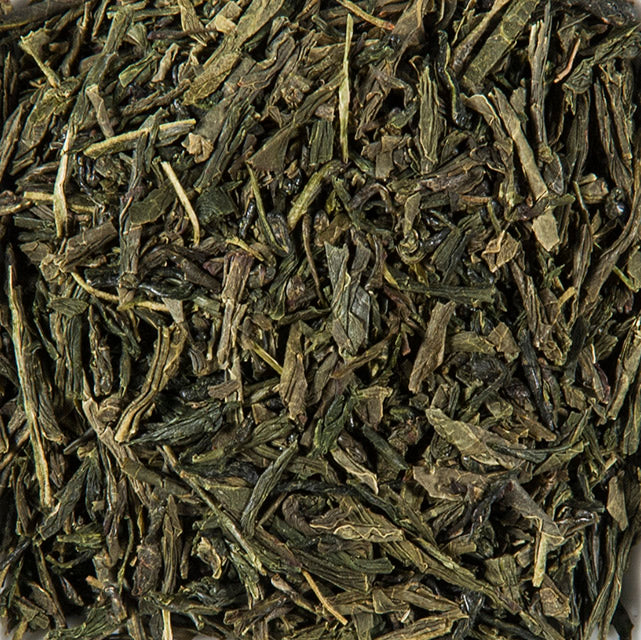
After processing, the leaves appear slender and needle-shaped — a result of careful rolling that helps preserve aroma and ensures even extraction during brewing.
Growing regions and terroir
Japanese Sencha is cultivated in temperate regions with clear seasonal variation. Misty mornings, mineral-rich soils, and attentive garden management all influence the final character of the tea.
Harvest timing plays an important role. Early spring leaves tend to produce softer, sweeter cups, while later harvests introduce more pronounced vegetal notes and structure. These subtle differences contribute to Sencha’s range and complexity.
Processing and craftsmanship
What defines Sencha is not just where it is grown, but how it is handled after picking. The leaves are heat-treated early in processing to preserve their green colour and fresh character, then rolled and dried in stages.
This method stabilises flavour, locks in aroma, and creates a tea that is vibrant yet controlled. The result — as found in our Japanese Sencha green tea — is a cup that feels lively and refreshing without becoming aggressive or bitter.
Flavour and aroma
A well-made Sencha offers a fresh, vegetal profile balanced by gentle sweetness and soft umami. The aroma is clean and green, while the palate carries a light savoury depth with a crisp, refreshing finish.
Rather than lingering heaviness, Sencha leaves the mouth feeling clear and refreshed, which is why it is so often chosen for regular, everyday drinking.
Benefits and traditional uses
Sencha is naturally rich in antioxidants, including catechins, which are traditionally associated with supporting general wellbeing. It also contains a combination of caffeine and L-theanine, a pairing valued for promoting calm, focused alertness rather than sharp stimulation.
Traditionally, Sencha is enjoyed throughout the day as a restorative tea, offering gentle energy and mental clarity without excess intensity.
Is Sencha tea caffeinated?
Yes. Sencha naturally contains caffeine, though typically in more moderate amounts than black tea or coffee. Its caffeine is released more gradually, supporting sustained focus rather than quick peaks and crashes.
This makes Sencha well suited to morning or afternoon drinking, particularly for those seeking clarity without overstimulation.
How to brew Japanese Sencha tea
Sencha rewards careful brewing. Lower water temperature and shorter infusion times help reveal its natural sweetness while avoiding bitterness.
- Use 2g (a heaped teaspoon) of loose leaf tea
- Heat fresh water to 75°C
- Add 250mL of water
- Infuse for 30–90 seconds, depending on preference
- Strain and serve
Adjusting the steep time allows you to explore different expressions of the same leaf, from brighter and lighter to more rounded and savoury.
How Sencha fits into daily rituals
Sencha sits comfortably between the ceremonial and the everyday. It is structured enough to feel intentional, yet easy enough to enjoy without occasion.
It pairs naturally with lighter meals, focused workdays, and moments that call for refreshment rather than indulgence.
A balanced everyday tea
Japanese Sencha is defined by restraint and clarity. Fresh without being sharp, calming without being dull, it offers a steady, thoughtful presence in the cup.
For those seeking a green tea that supports focus, daily rhythm, and understated elegance, Sencha remains a timeless choice.